How Modern Drainage Design Protects Southwest Florida Custom Homes
In Southwest Florida, a beautiful custom home needs more than attractive finishes, open floor plans, and strong curb appeal. It also needs to be designed for the realities of the local climate. Heavy rain, tropical storms, high water tables, coastal soil conditions, and sudden downpours can all affect how water moves around a property. That is why modern drainage design is such an important part of building a custom home in this region.
Whether you are planning a new home in Port Charlotte, Punta Gorda, Cape Coral, Fort Myers, Englewood, Venice, North Port, Boca Grande, or another coastal community, drainage should be considered early in the design-build process. When it is handled correctly, drainage can help protect the foundation, landscaping, driveway, lanai, pool area, and overall structure of the home.
For homeowners investing in a custom home, remodel, addition, or waterfront property, drainage is not just a technical detail. It is a long-term protection feature.
Why Drainage Matters So Much in Southwest Florida
Southwest Florida is known for sunshine, boating, beaches, golf, and outdoor living. But homeowners also know that rain can arrive quickly and heavily, especially during the summer storm season. A property that looks dry on a normal day may handle water very differently during a strong afternoon storm or tropical weather event. Poor drainage can lead to standing water, erosion, soggy landscaping, driveway washout, foundation concerns, and moisture issues around the home.
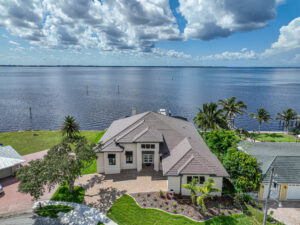
This is especially important in areas with lower elevations, waterfront lots, canal-front properties, and neighborhoods near bays, rivers, preserves, or flood-prone streets. Communities throughout Charlotte County, Sarasota County, and Lee County can have drainage challenges that need to be considered before construction begins. Modern drainage design helps manage where water goes, how quickly it moves, and how it is directed away from important parts of the home.
Drainage Starts With the Lot
Every custom home begins with the land. Before the home is built, the lot should be evaluated carefully so the builder and design team understand the property’s slope, elevation, soil conditions, neighboring grades, and natural water flow. Some lots are relatively simple. Others require more planning because water may collect in low areas, flow from neighboring properties, or move toward the home if the grading is not handled properly.
In Southwest Florida, the elevation of the lot matters. So does the relationship between the home, driveway, street, seawall, canal, drainage swales, and nearby properties. A good drainage plan looks at the entire site, not just the footprint of the house. This is one reason working with an experienced local custom builder is so valuable. A builder familiar with Southwest Florida construction will know that drainage decisions made early can prevent costly headaches later.
Proper Grading Helps Move Water Away From the Home
Grading is one of the most important parts of drainage design. It refers to how the land is shaped so water moves in the right direction. When a home is properly graded, water is directed away from the foundation, entryways, garage, driveway, lanai, and outdoor living areas. If grading is poorly planned, water can pool near the house or flow toward areas where it can cause damage.
This is especially important for custom homes with large lanais, pools, outdoor kitchens, paver driveways, and walkways. These features need to be tied into the overall drainage plan so they look beautiful while still performing properly during heavy rain. In places like Punta Gorda Isles, South Gulf Cove, Cape Coral, Boca Grande, and other waterfront or canal communities, grading must be handled with even more care because lot conditions can vary widely.
Swales, Drains, and Drainage Paths
Modern drainage design may include several different systems working together. These can include swales, yard drains, catch basins, channel drains, downspout extensions, French drains, and carefully planned surface drainage paths. Swales are shallow, shaped areas of land that help move stormwater across or away from a property. They are common in many Florida neighborhoods and should not be ignored, filled in, or disrupted without understanding their purpose.
Yard drains and catch basins can help collect water in specific areas and move it away from the home. Channel drains may be useful near driveways, garage entries, pool decks, or lanai areas where water needs to be controlled. The right solution depends on the property. A modern custom home does not need a one-size-fits-all drainage plan. It needs a system designed around the specific lot, home layout, elevation, landscaping, and local requirements.
Roof Drainage Is Part of the Bigger Picture
Drainage is not only about the ground. Roof water also needs to be handled carefully. During heavy rain, a Florida roof can shed a significant amount of water in a short period of time. Gutters, downspouts, rooflines, valleys, and overhangs all affect where that water goes.
If roof runoff is dumped too close to the foundation or onto walkways, pavers, planting beds, or pool decks, it can create erosion, staining, pooling, and maintenance problems. A thoughtful drainage plan considers how roof water will be collected and directed after it leaves the home. For custom homes with complex rooflines, large covered lanais, detached garages, or outdoor living spaces, roof drainage should be coordinated with the site drainage plan from the beginning.
Drainage Helps Protect Foundations and Slabs
A well-built home depends on a stable foundation. In Southwest Florida, moisture management around the foundation is an important part of long-term performance. When water repeatedly collects near the slab or foundation, it can create problems over time. It may contribute to soil movement, moisture intrusion, mold concerns, insect activity, and deterioration of surrounding materials.
Good drainage helps reduce unnecessary moisture around the home. It also helps protect nearby hardscapes such as paver driveways, sidewalks, patios, and pool decks. For homeowners building a custom home, this is not just about storm protection. It is about preserving the home’s structure, finishes, and exterior living areas for years to come.
Landscaping Should Support the Drainage Plan
Landscaping can either help or hurt drainage. Beautiful plants, palms, beds, mulch, stone, retaining borders, and irrigation systems all affect how water moves around a property. If landscaping is installed without considering drainage, it can block water flow, trap moisture near the house, or redirect water into the wrong areas. Dense planting beds against the foundation, raised borders, or improperly placed landscape edging can sometimes create drainage problems.
A smart landscape plan works with the site design. It uses grading, plant placement, soil selection, and irrigation planning to support the way water naturally needs to move. This is especially important in luxury homes where landscaping is a major part of the curb appeal. The goal is to create a property that looks polished while still performing well during Florida rainstorms.
Drainage Matters for Remodels and Additions Too
Drainage is not only a concern for new construction. It is also important when remodeling a home, adding a room, expanding a lanai, building a garage, installing a pool, or changing a driveway. Any time the footprint of a home changes, water flow can change with it. Adding square footage, extending rooflines, installing pavers, or modifying outdoor living areas can affect how water moves across the lot. Homeowners in Port Charlotte, North Port, Venice, Englewood, Fort Myers, and surrounding areas should consider drainage during the planning phase of a remodel or addition. Addressing it early is usually easier than fixing problems after construction is complete.
Why Working With a Local Custom Builder Matters
Drainage design is highly local. A home built in another part of the country may not need the same level of attention to tropical rainfall, flood zones, coastal conditions, high water tables, or Florida building requirements. An experienced Southwest Florida custom builder understands how drainage connects to grading, permitting, foundations, storm preparation, landscaping, and long-term home performance.
Thornberry Custom Builders works with homeowners throughout Southwest Florida on custom homes, luxury homes, waterfront properties, remodels, additions, and design-build projects. Their local experience helps homeowners think through important details early, including how the home will handle water during everyday storms and more severe weather events. When a builder understands the region, they can help homeowners make smarter decisions about the home and the property as a complete system.
Build With Water Management in Mind
Modern drainage design may not be the most exciting part of planning a custom home, but it is one of the most important. A home can have beautiful finishes, high ceilings, custom cabinetry, and an impressive outdoor living area, but if water is not managed properly, problems can develop quickly.
For Southwest Florida homeowners, drainage should be part of the conversation from the beginning. The right plan can help protect the foundation, reduce standing water, preserve landscaping, improve outdoor living spaces, and support the long-term value of the home.
If you are planning a custom home, remodel, addition, or waterfront project in Southwest Florida, Thornberry Custom Builders can help you approach the process with both beauty and performance in mind. From Port Charlotte and Punta Gorda to Sarasota County, Lee County, Cape Coral, Fort Myers, Englewood, Venice, Boca Grande, and nearby coastal communities, Thornberry Custom Builders can help you design and build a home that is better prepared for the way Florida really lives.