The 7 Biggest Mistakes Homeowners Make When Designing Their Custom Home in SWFL
Designing a custom home is one of the most exciting opportunities a homeowner can have. Instead of settling for a floor plan that almost works, you get to create a home around your lifestyle, your property, your family, and the way you want to live every day.
But custom design also comes with important decisions. A beautiful home on paper does not always function well in real life. Many homeowners focus heavily on finishes, colors, countertops, and fixtures, while overlooking the layout choices that affect comfort, convenience, storage, privacy, natural light, and long-term usability.
Before you begin designing your custom home in Southwest Florida, here are seven common mistakes to avoid.
1. Designing Rooms Without Thinking About Daily Flow
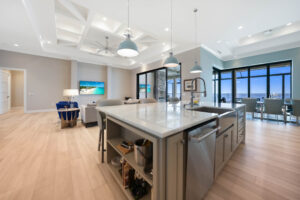
One of the biggest mistakes homeowners make is designing rooms individually instead of thinking about how the whole home works together. A kitchen may look beautiful, a living room may feel spacious, and a primary suite may seem luxurious, but the home still needs to flow naturally from one area to the next.
Think about how you enter the home with groceries. Is the garage close to the kitchen or pantry? Is there a place to drop keys, bags, shoes, or mail? If you entertain often, can guests move easily between the kitchen, dining area, great room, lanai, and pool area?
A good floor plan should make everyday life easier. The best custom homes are not just attractive. They are practical, comfortable, and designed around real routines.
2. Underestimating How Much Storage You Need
Storage is one of the most commonly overlooked parts of custom home design. Many homeowners plan for bedrooms, bathrooms, open living areas, and outdoor spaces, but forget how much storage they actually need.
In Southwest Florida, storage needs can include more than closets. Homeowners often need space for beach gear, fishing equipment, boating supplies, holiday decorations, tools, hurricane shutters or panels, sports equipment, pool supplies, cleaning products, and outdoor cushions.
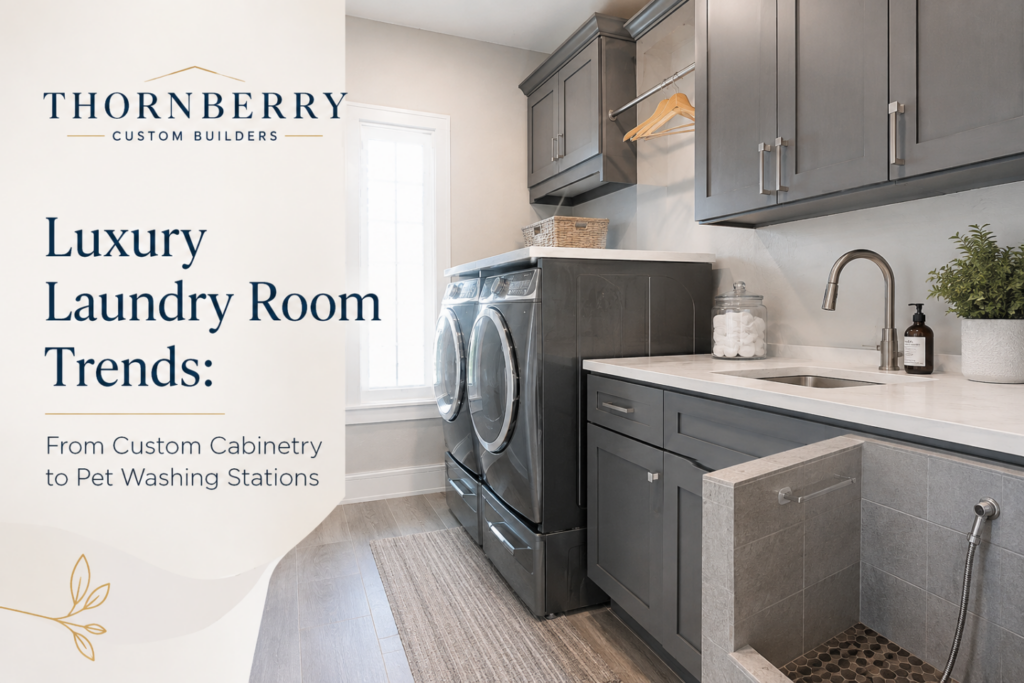
A custom home should include smart storage throughout the design, not just wherever space is left over. Consider walk-in pantries, linen closets, garage storage, mudroom-style drop zones, laundry room cabinets, built-ins, attic access if appropriate, and dedicated space for larger seasonal items.
When storage is planned early, it can be built into the home naturally. When it is forgotten, homeowners often end up relying on cluttered garages, overcrowded closets, or expensive storage solutions later.
3. Placing Windows Without Considering Sun, Privacy, and Views
Windows have a major impact on how a custom home feels. They affect natural light, curb appeal, energy efficiency, privacy, furniture placement, and the connection between indoor and outdoor spaces.
One mistake homeowners make is choosing window placement based only on appearance. In Southwest Florida, the direction of the sun matters. A room with intense afternoon sun may become uncomfortable if windows are not planned carefully. Large windows can be beautiful, but they should be placed with heat, glare, shade, and energy performance in mind.
Privacy is also important. A large bathroom window facing a neighbor’s home, a bedroom window looking directly at the street, or a living room window with no consideration for nearby homes can create issues after move-in.
A thoughtful window plan should consider views, natural light, privacy, room layout, sun exposure, and how the home sits on the lot.
4. Making the Lanai Too Small
In Southwest Florida, outdoor living is not an afterthought. It is a major part of how many homeowners use their home. One of the biggest regrets people have is designing a lanai that is too small.
A lanai may look large enough on a floor plan, but once furniture, walkways, an outdoor dining table, a grill, a pool bath entrance, or an outdoor kitchen are added, the space can feel tight. If you plan to entertain, relax outside, watch TV on the lanai, or enjoy meals outdoors, make sure the space is sized for real use.
Think beyond basic square footage. Consider furniture layout, traffic flow, shade, ceiling fans, lighting, screen enclosure placement, access from the main living area, and how the lanai connects to the pool or backyard.
A well-designed lanai can become one of the most used spaces in the entire home.
5. Forgetting to Plan for Future Needs
A custom home should work for your life today, but it should also support your future. Many homeowners design around their current situation without thinking about what may change in five, ten, or fifteen years.
Will you need space for aging parents? Could adult children or grandchildren visit often? Do you plan to work from home long term? Would wider hallways, fewer steps, a walk-in shower, or a more accessible primary suite make the home easier to use later?
Future planning does not mean making the home feel clinical or oversized. It means making smart decisions that keep the home comfortable as your needs evolve. Flexible rooms, guest suites, home offices, wider doorways, accessible showers, extra storage, and thoughtful bedroom placement can all make a major difference over time.
Building custom gives you the chance to plan ahead before changes become expensive.
6. Prioritizing Pretty Finishes Over Practical Function
Finishes matter. Cabinets, countertops, flooring, lighting, tile, and fixtures help define the style of the home. But they should not come before the function of the floor plan.
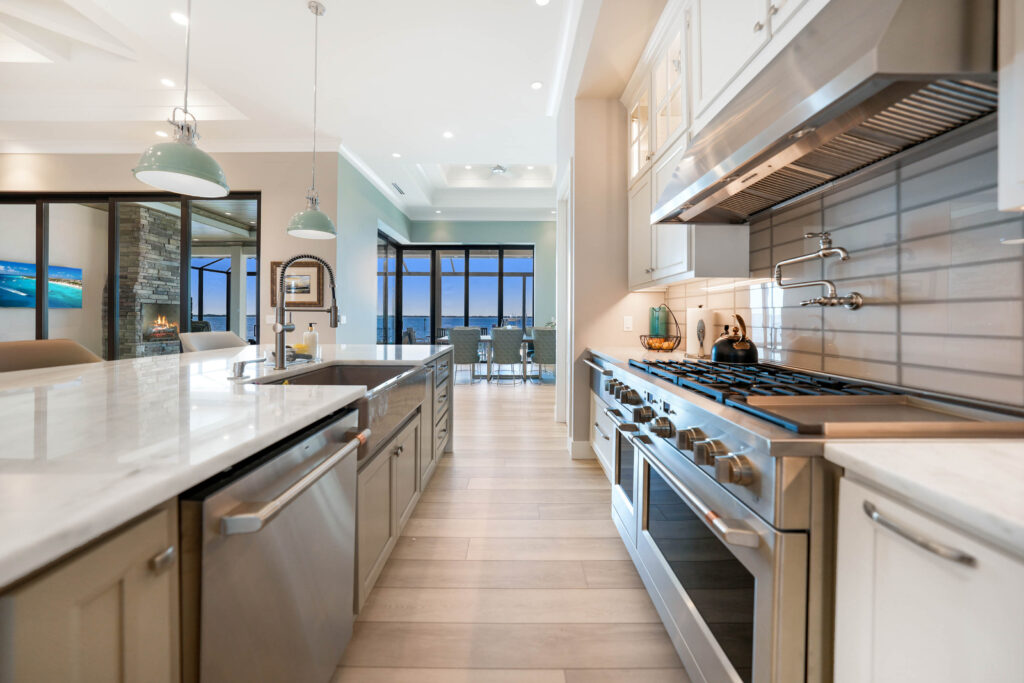
A beautiful kitchen with poor appliance placement can be frustrating. A stunning bathroom with limited storage may not work well every day. A dramatic great room may lose its appeal if there is no good wall for furniture or a television. A gorgeous entry may feel impractical if there is nowhere to put everyday items.
The most successful custom homes balance beauty and function. The design should look impressive, but it should also make daily life smoother. Before focusing too heavily on finishes, make sure the layout, storage, room sizes, traffic flow, lighting, and outdoor connections are right.
You can upgrade finishes over time. Changing a poor layout is much harder.
7. Not Designing Around the Lot
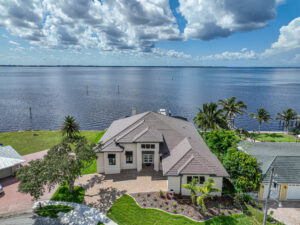
Every lot is different, especially in Southwest Florida. Lot width, depth, elevation, setbacks, drainage, views, neighboring homes, sun direction, trees, utilities, and outdoor living potential should all influence the home design.
Some homeowners choose a floor plan they like and try to force it onto the property. That can lead to missed opportunities or avoidable problems. A better approach is to design the home around the lot.
Where are the best views? Where does the afternoon sun hit? Where should the driveway go? How much privacy do you need from nearby homes? Is there room for a pool, lanai, outdoor kitchen, or future addition? Are there flood zone or elevation considerations?
A custom home should feel like it belongs on the property. When the design and lot work together, the home is more comfortable, more functional, and often more valuable.
In Conclusion: Work With a Builder Who Helps You Think Through the Details
Designing a custom home is about more than choosing a floor plan and finishes. It is about creating a home that works for your lifestyle, your property, your future, and the realities of living in Southwest Florida.
Avoiding common mistakes early can save time, money, and frustration later. The right builder can help you think through layout, storage, window placement, lanai size, future needs, and all the details that make a custom home feel truly custom.
If you are planning to build a custom home in Southwest Florida, Thornberry Custom Builders can help you design with confidence from the beginning. Contact Thornberry Custom Builders today to start planning a home that is beautiful, functional, and built around the way you live.