
The 10 Most Common Questions We Get for Custom Built Homes in Southwest Florida

TJ Thornberry
President of Thornberry Custom Builders
The 10 Most Common Questions We Get for Custom Built Homes in Southwest Florida
When people begin planning a custom home in Southwest Florida, they usually have a lot of important questions. They are not just thinking about square footage, layouts, or finishes. They also want to know how their home should be designed for Florida’s climate, how to reduce long-term maintenance, and how to protect their investment from heat, humidity, storms, and coastal conditions.
At Thornberry Custom Builders, many of the questions we hear come from homeowners who want more than a beautiful house. They want a home that is durable, efficient, comfortable, and built specifically for life in Southwest Florida. From roofing materials and ventilation to landscaping and smart home preparedness, every part of the design matters more in this environment.
Below are the 10 most common questions we get for custom built homes in Southwest Florida, along with why each one matters so much when designing a home in this region.
1. How Should a Home Be Designed for Florida’s Heat & Humidity?
Florida heat is one challenge, but heat combined with year-round humidity creates a much more demanding environment for a home. That is why custom homes in Southwest Florida should be designed specifically for the local climate instead of relying on building approaches that may work better in other parts of the country.
Designing for heat and humidity means thinking about the entire home as a system. Insulation, air sealing, high-performance windows, roofing materials, shade, and HVAC design all work together to improve comfort. A properly designed home can stay cooler, reduce strain on the air conditioning system, and help prevent unwanted moisture from entering the living space. In Southwest Florida, thoughtful climate-based design is one of the best ways to create a home that feels better and performs better for years to come.
2. What Helps Prevent Mold in a Custom Home?
Mold prevention is one of the biggest concerns many homeowners have in Florida, and it should be. High humidity, heavy rain, and warm temperatures can create ideal conditions for mold if the home is not built with moisture control in mind.
Preventing mold starts with managing water and humidity before they become problems. This includes proper drainage around the property, strong building envelope design, quality flashing, controlled ventilation, dehumidification support, and smart material selection in areas more vulnerable to moisture. Bathrooms, laundry rooms, kitchens, and spaces around windows and doors all deserve extra attention. The best mold prevention strategy is always proactive design, because once moisture problems begin inside walls or ceilings, repairs can become much more difficult and expensive.
3. What Makes a Home Energy Efficient in Southwest Florida?
Energy efficiency is especially important in Southwest Florida because cooling systems often run hard for much of the year. A well-designed energy-efficient home can improve comfort while helping reduce monthly utility costs.
Energy-efficient custom home design may include impact-rated windows with strong thermal performance, high-quality insulation, sealed ductwork, efficient HVAC systems, reflective roofing materials, LED lighting, and energy-conscious appliances. Home orientation can also make a difference. The placement of windows, covered lanais, and shaded transitions can affect how much direct heat enters the home. Over time, these design decisions help the home stay more comfortable while reducing wear on major mechanical systems.
4. What Roof Materials Work Best in Florida’s Climate?
The roof is one of the most important parts of any custom home in Southwest Florida because it faces constant exposure to intense sun, rain, wind, and storm conditions. Homeowners often ask which roofing material is best, but the answer depends on the style of the home, the location, and the homeowner’s long-term priorities.
Common roofing materials in Florida include metal roofing, concrete tile, and high-quality shingles rated for local conditions. Metal roofs are often chosen for their durability and wind resistance. Tile roofs can offer a timeless Florida look with strong performance when installed correctly. Shingle systems may also be a good fit in some situations when paired with the right underlayment and installation details. More importantly, the full roofing system matters just as much as the visible material. Fasteners, underlayment, drainage, and installation quality all play a major role in how well the roof performs over time.
5. Why Is Ventilation So Important in Florida Homes?
Ventilation is often overlooked, but it is one of the most important parts of building well in Florida. Without proper ventilation, heat and moisture can build up inside attic spaces, wall assemblies, and interior rooms, which can affect comfort, efficiency, and long-term durability.
In Southwest Florida, good ventilation helps regulate humidity, supports healthier indoor air, and allows the home to perform better as a whole. Attic ventilation is particularly important because roof surfaces can become extremely hot in direct sun. If that heat has nowhere to go, it can raise indoor temperatures and increase the load on the cooling system. Ventilation is also critical in bathrooms, kitchens, laundry rooms, and other moisture-prone spaces. In a custom home, these systems can be planned intentionally to improve both everyday comfort and long-term performance.
6. How Should Outdoor Living Spaces Be Designed for Southwest Florida?
Outdoor living is a huge part of life in Southwest Florida. Many homeowners want spacious lanais, covered patios, outdoor kitchens, pool areas, and gathering spaces that feel like an extension of the interior. But these areas need to be designed carefully so they can stand up to harsh weather and seasonal storms.
Durable outdoor living design includes strong structural support, moisture-resistant finishes, quality drainage planning, and materials that can handle heat, humidity, rain, and wind. Covered areas should be designed so water flows where it should and does not collect in the wrong places. Outdoor cabinetry, fans, lighting, and finishes should be chosen for Florida exposure. The goal is to create an outdoor space that is beautiful and functional without turning into a constant maintenance issue.
7. How Does Salt Air Affect Coastal Homes?
For homeowners building near the water, salt air is a serious concern. Coastal exposure can be tough on metal components, exterior finishes, hardware, fasteners, fixtures, and railings if the wrong materials are used.
Protecting a home against salt air starts with smart material selection. Exterior coatings, hardware quality, roofing details, window systems, and exposed metal features all need to be chosen with the coastal environment in mind. Regular maintenance is also more important near the coast because even durable materials benefit from routine inspection and care. A custom home that is designed properly for salt air exposure will typically hold up better over time and avoid some of the premature wear that affects homes built without enough attention to coastal conditions.
8. What Kind of Landscaping Works Best for Florida Storms?
Landscaping can improve the beauty of a property, but in Florida it can also affect drainage, maintenance, and storm resilience. Homeowners often ask how to choose landscaping that looks great while still being practical for Southwest Florida weather.
Florida-friendly landscaping usually includes native or well-adapted plants, efficient irrigation planning, and layouts that require less maintenance. Storm-conscious landscaping also involves selecting trees and plants with stronger root systems and better wind tolerance, while being careful about where they are placed around the home. Grading and drainage are equally important because water should move away from the structure after heavy rain. When landscaping is planned the right way, it can enhance curb appeal while also supporting the long-term performance of the property.
9. What Smart Home Features Help with Hurricane Preparedness?
Many homeowners are now interested in smart home technology that makes daily life easier while also improving storm readiness. In Southwest Florida, this has become an increasingly common question during the custom home planning process.
Smart home features can include remote security monitoring, weather alerts, leak detection devices, smart thermostats, automated lighting, and systems that help homeowners monitor their property while away. Some homeowners also want technology that works with backup power systems or allows them to stay informed during hurricane season. When these features are integrated properly, they can provide both convenience and peace of mind without making the home feel overly complicated.
10. How Can I Build a Low-Maintenance Home in Southwest Florida?
One of the most common goals homeowners have is building a home that is not only beautiful, but easier to maintain in a demanding climate. In Southwest Florida, low-maintenance design is about making smart decisions early so the home is better prepared for heat, humidity, storms, and coastal exposure.
Low-maintenance homes often include durable exterior finishes, moisture-resistant materials, practical roofing systems, quality windows and doors, easy-to-clean surfaces, and landscaping choices that reduce ongoing upkeep. Covered entrances, good drainage, shaded openings, and accessible mechanical systems can all make future maintenance easier. Low maintenance does not mean cutting corners. It means building more intentionally so the home requires less avoidable repair and less constant attention over time.
Building Smarter for Life in Southwest Florida
These are the 10 most common questions we get for custom built homes in Southwest Florida because they address the issues that matter most in this region. Homeowners are not just investing in a floor plan. They are investing in comfort, durability, efficiency, and peace of mind for years to come.
Many of these questions are answered in detail in our blog: linked here. Please feel free to do as much research as you’d like and we’ll continue to provide the most useful information and build the most trusted custom homes in Southwest Florida!
At Thornberry Custom Builders, we believe a custom home should be designed specifically for the way people live in Southwest Florida. That means planning for the climate, the coast, the storm season, and the long-term realities of owning a home in this part of Florida. When the right decisions are made early, the result is a home that is not only beautiful, but truly built for where it lives.
If you are planning a custom built home in Southwest Florida and want guidance from a builder who understands the local environment, Thornberry Custom Builders is here to help.
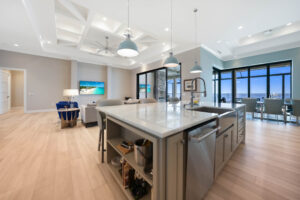

Before You Buy a Lot in Southwest Florida, Read This First
Here’s our guide explaining what to consider before purchasing land, including flood zones, utilities, setbacks, drainage, site preparation, and hidden building costs.
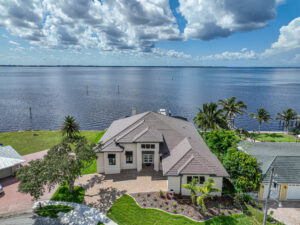
The 10 Most Common Questions We Get: Custom Built Homes in Southwest Florida
At Thornberry Custom Builders, many of the questions we hear come from homeowners who want more than a beautiful house. They want a home that is durable, efficient, comfortable, and built specifically for life in Southwest Florida.
Community Awards
Aurora Awards
Aurora Awards
Grand Overall Winner
Grand Overall Winner
Small Business of the Year
Small Business of The Year
Share:
You Deserve The Home of Your Dreams
Designed for your life, your style, and your needs!
Ready to Start Your Home Journey?
Related Posts
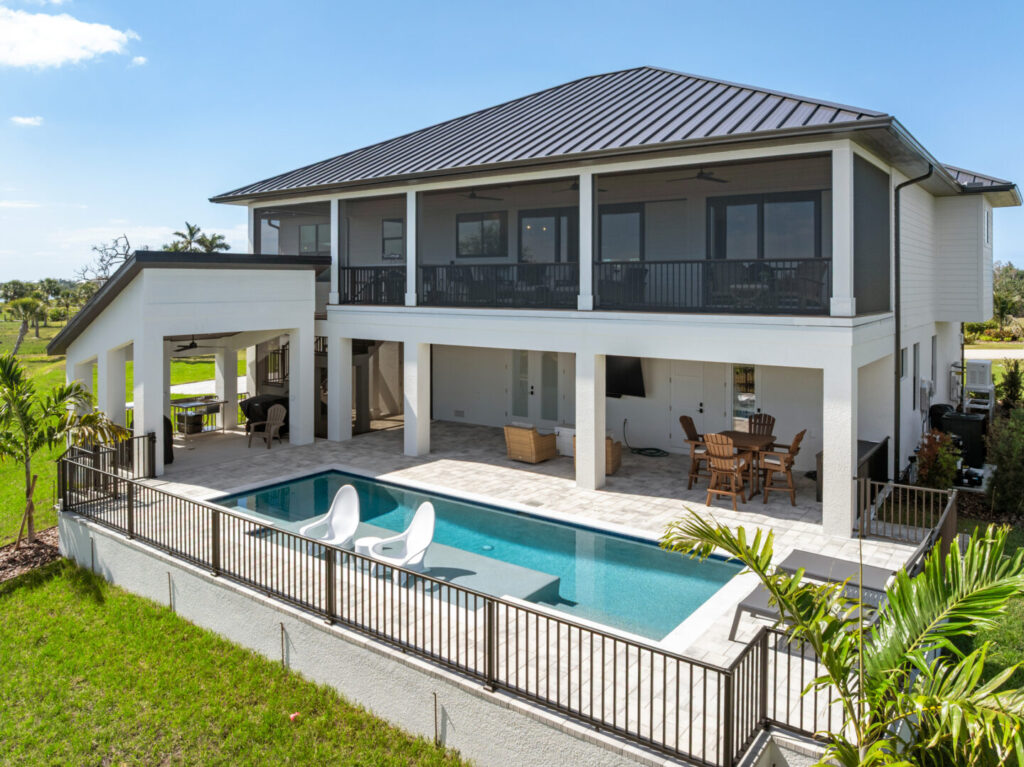
How to Build a Custom Home That Feels Elegant Without Feeling Overdone
Do you love bright, open rooms? Warm wood tones? A quiet bedroom overlooking the pool? Your answers can help guide decisions throughout the design process.
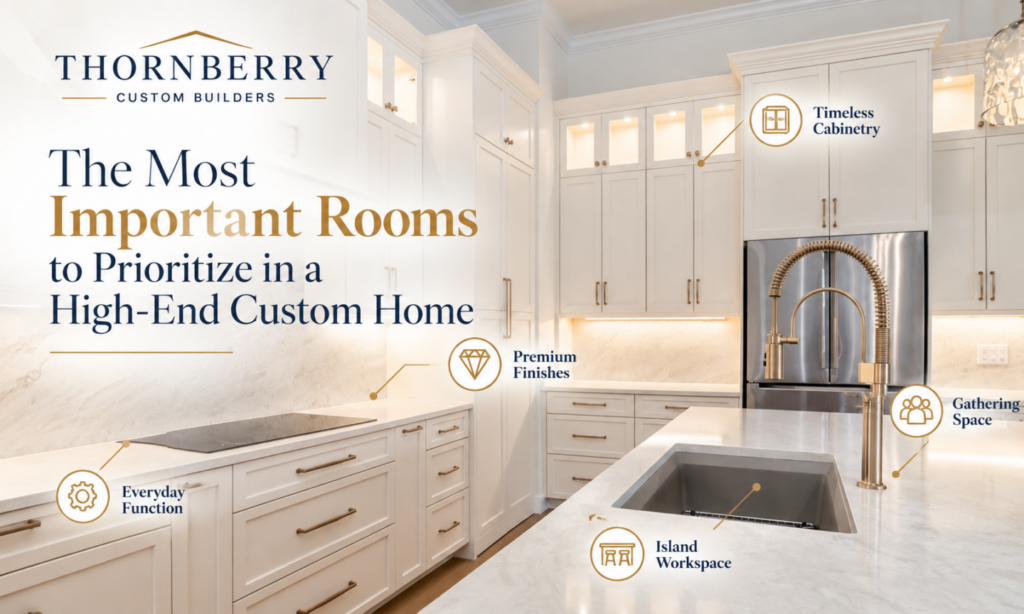
The Most Important Rooms to Prioritize in a High-End Custom Home
Do you love bright, open rooms? Warm wood tones? A quiet bedroom overlooking the pool? Your answers can help guide decisions throughout the design process.
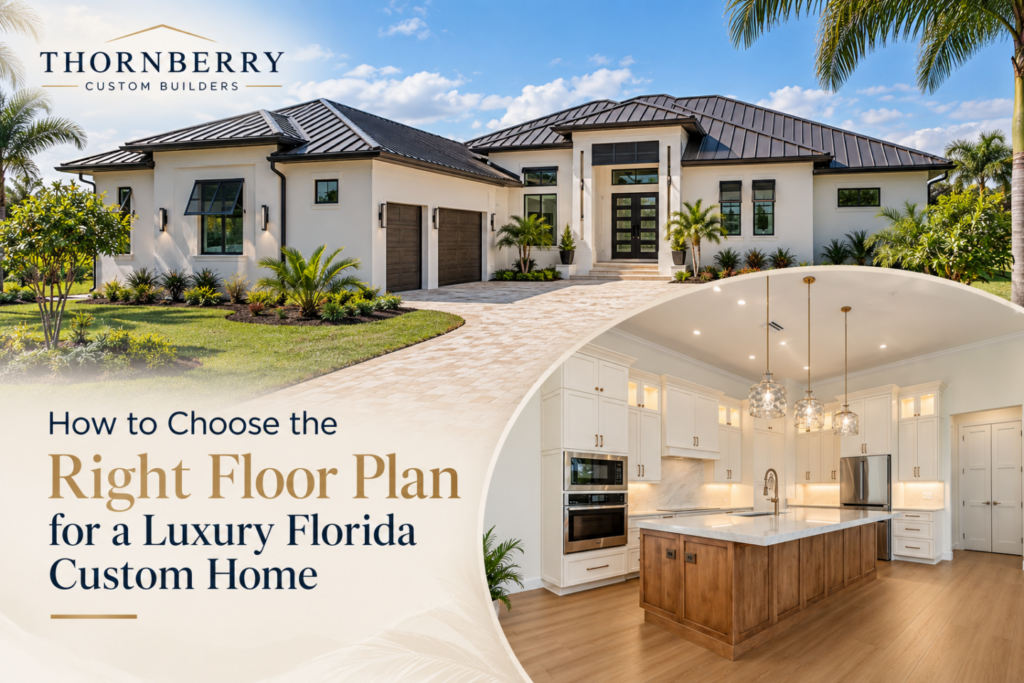
How to Choose the Right Floor Plan for a Luxury Florida Custom Home
The best floor plans are not just beautiful on paper. They are designed around the homeowner’s lifestyle, the property itself, and the realities of building in Southwest Florida.