Where will the lanai cushions go when you leave for the summer? It sounds like a small question until you’re standing at the back door with an armful of cushions and a guest bed already covered in patio pillows. If you spend only part of the year in Punta Gorda, closing up is one of the routines worth planning for when you build. At Thornberry Custom Builders, we’d want to know what you bring inside, who looks after the house while you’re away, and what you’d want to know if something needed attention.
A good way to test a floor plan is to walk through your last morning in town. Picture the outdoor furniture still on the lanai, your suitcases by the door, and the car in the garage. Then picture someone arriving for a service visit three weeks later. Those two trips through the house can tell us where you need storage, which doors should open onto the side yard, and whether a notice on your phone will give you enough information to act.
Give the things you bring indoors a place of their own
Start with the largest thing you expect to move. A chaise cushion can be longer than the shelves in a hall closet. Stack six of them and a storage bench that looked generous in the showroom may hold only half the set. If you already own your outdoor furniture, measure the cushions stacked the way you’d store them. We can use that measurement when we draw the closet, including the width of the door you’ll carry them through.
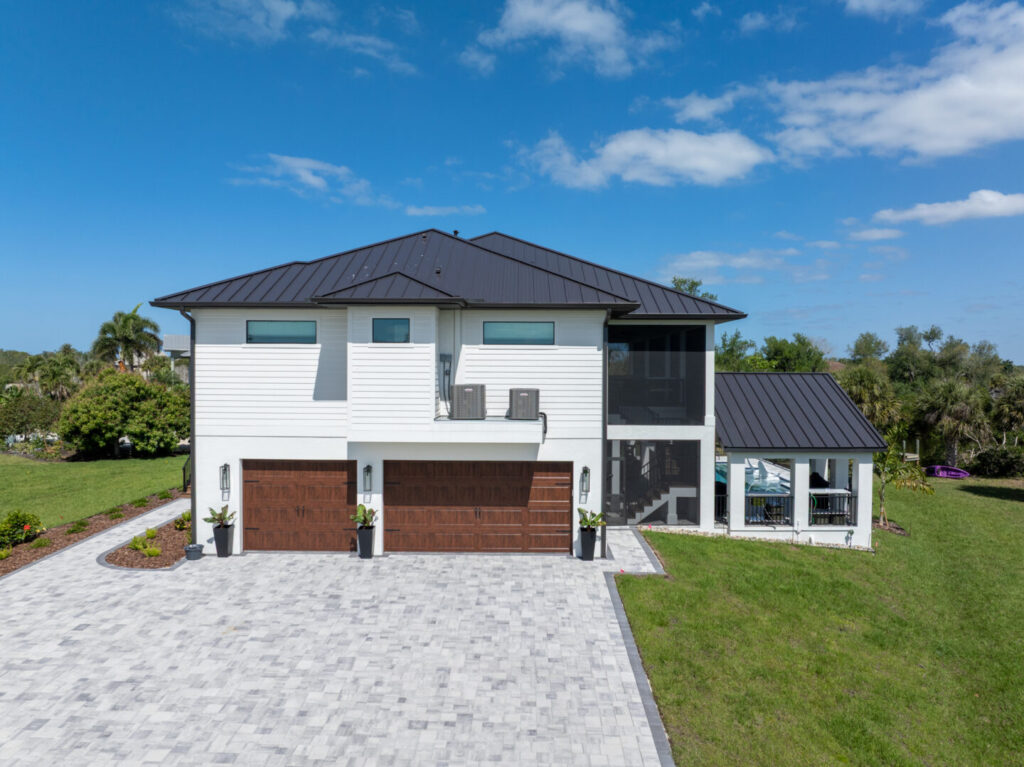
Location matters just as much as capacity. A deep closet off the lanai might let you put everything away in a few trips. Storage in the garage might suit you better if you also bring in bicycles, a grill cart, or folding chairs. In that case, we’d draw your parked car into the plan and check whether you could still get a cart around it. Finding out you have to back the car into the driveway every time you want a beach chair is the kind of annoyance a pencil can fix.
Here’s what we’d suggest measuring before you settle on a storage layout:
- The tallest and widest pieces you bring inside, including folded umbrellas and chairs that don’t stack.
- The shelf space your clean, dry cushions need, with enough room to lift out the top one without emptying the shelf.
- The narrowest doorway and tightest turn between the lanai and the spot where those pieces will spend the summer.
- The things someone still needs to reach after you leave, such as a pool control panel or the spare air-conditioning filters.
Plan the service visit from the driveway
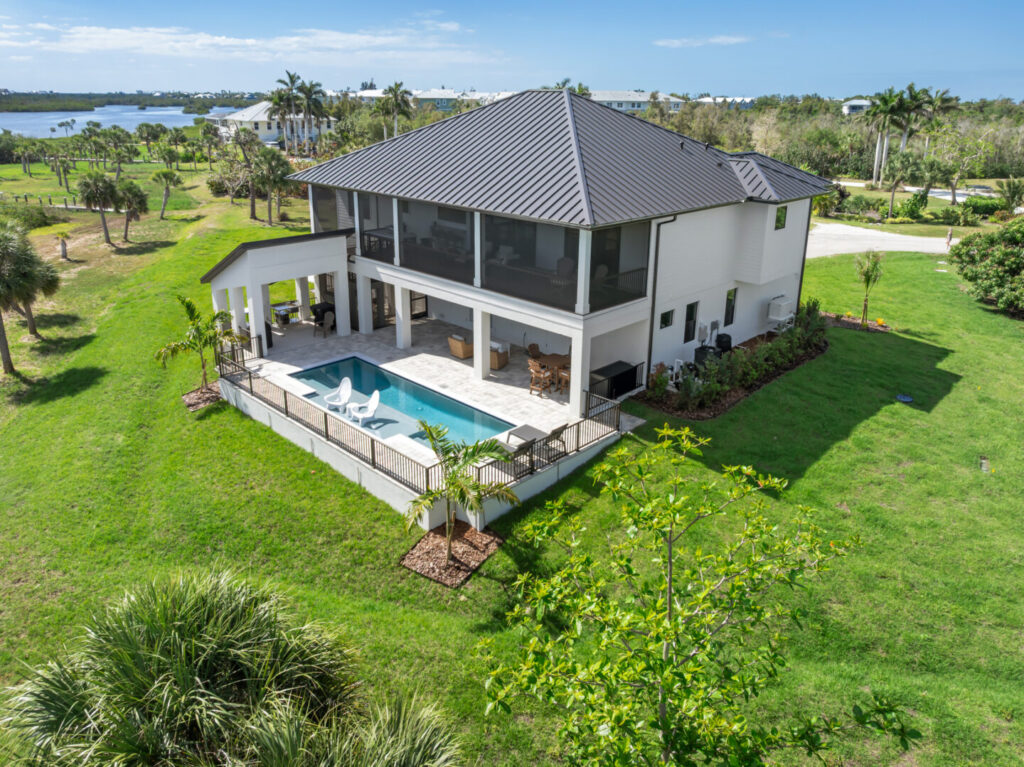
Suppose your pool service provider arrives the week after you leave. Where do they park, which gate do they use, and can they reach the equipment with everything they carry? On the plan, we’d trace that route from the driveway. A pool gate that works well for someone stepping out of the kitchen may be awkward for someone arriving from the street. A gate on the equipment side of the house could save a walk around the entire pool deck.
Indoor service deserves the same thought. If your air handler is in a utility room, picture someone arriving to inspect it after you’ve packed the house for summer. Can they open the utility door fully? Is there room to reach the equipment once your bicycles and storage bins are in place? Depending on the layout, an entrance through the garage or laundry room may give an authorized visitor a short route to the equipment while keeping bedrooms and other private rooms separate.
Before you leave, walk that route with the person who will check the house. Let them use their own key or entry code while you’re there. Show them where you keep service contacts and which door can stick after a heavy rain. A few labeled photos can also be helpful, especially if you need to explain over the phone which unit or room you’re asking them to check.
Choose remote alerts that lead to an answer
Think about the message you’d want to receive while you’re away. “Water detected” tells you less than “Water detected under the laundry sink.” Naming each sensor for its actual location makes it easier to call someone and tell them where to look. A leak sensor near a water heater answers a different question from a thermostat that reports indoor temperature and humidity. Choose each device for something you’d want to know or do.
In a house that sits empty through a Punta Gorda summer, you may want to know if the air conditioning appears to be running but indoor humidity is climbing. If that’s important to you, choose a thermostat or separate sensor that actually measures humidity and supports the alerts you want. Ask your HVAC service provider what settings and alert thresholds make sense for your house. Then check what appears on your phone and decide who should receive the same notice if you’re traveling.
It’s also worth knowing what happens when a device loses its internet connection. Some systems can notify you that a device has gone offline. Others may simply continue to show the last reading. Before departure, open the app using cellular data and check whether you can see when the reading was last updated. If the house stops reporting altogether, your local contact should know when you’d like them to visit.
Your summer departure checklist
Keep a checklist for your own house somewhere you’ll see it on the last morning. The most helpful version names actual rooms, equipment, and people. That way, either person in your household can finish closing up, and you can tell at a glance what still needs doing.
- Bring in the lanai items you plan to store. Put cushions away clean and dry, and leave gates, equipment panels, and service doors accessible.
- Confirm your away settings with your HVAC provider. Check that the thermostat shows the settings you selected and that its latest reading appears on your phone.
- Test your monitoring devices using the manufacturer’s test procedure. Check the location named in each alert and make sure the right people receive it.
- Confirm the service schedule and entry arrangements. Give your home checker current contact details and agree on what they should do if they find a problem or can’t reach you.
- After packing the car, walk the service routes one last time. Check doors and gates, then make sure each authorized visitor can still enter the areas they need.
If you’re planning a seasonal home in Punta Gorda, contact Thornberry Custom Builders and tell us which part of leaving takes the most work each year. Bring a photo of everything you usually move off the lanai, or show us the route a service provider takes through your current house. We can sit down with your floor plan and work out where those things belong before the first summer you head north.